


The CUPOLA project team is pleased to present further progress from ongoing research at the Energy & Bioproducts Research Institute (EBRI), Aston University, as part of the HORIZON-MSCA-2021-SE-01 initiative.
Current research activities extend beyond the chemical recycling of marine polymer waste such as PET from bottles. The team is also addressing PET fibers, which represent a significant yet often overlooked component of marine plastic pollution. In addition to aminolysis, glycolysis is being investigated as an alternative depolymerization method. This approach enables the recovery of one of the key monomers for PET production—terephthalic acid.
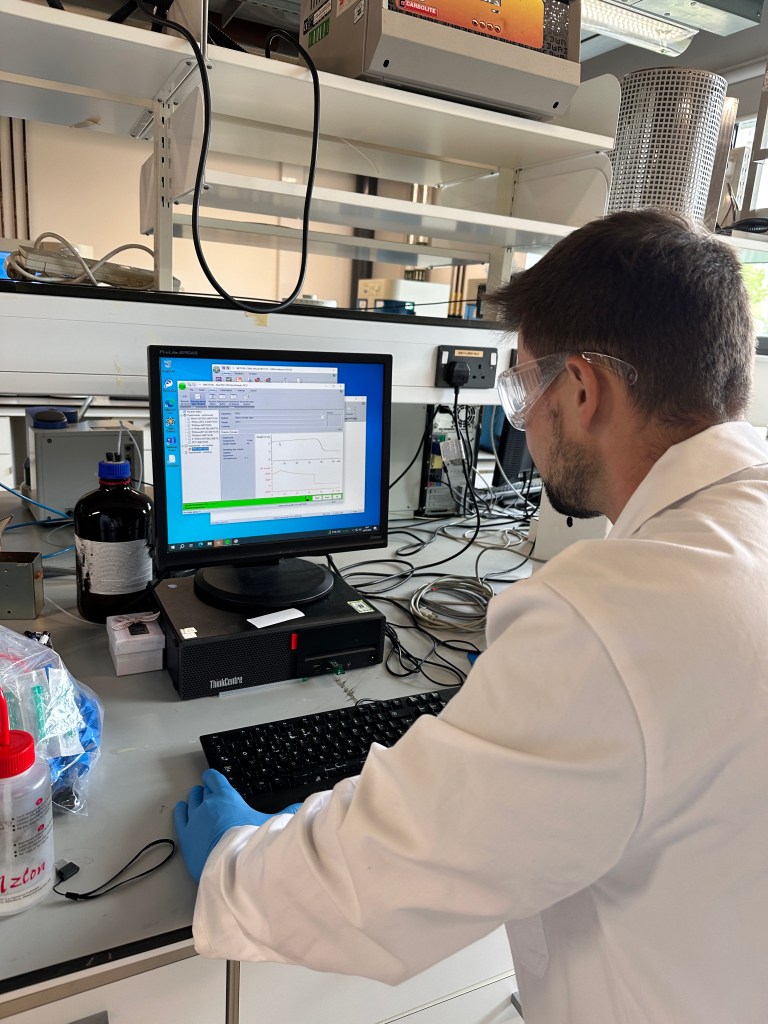
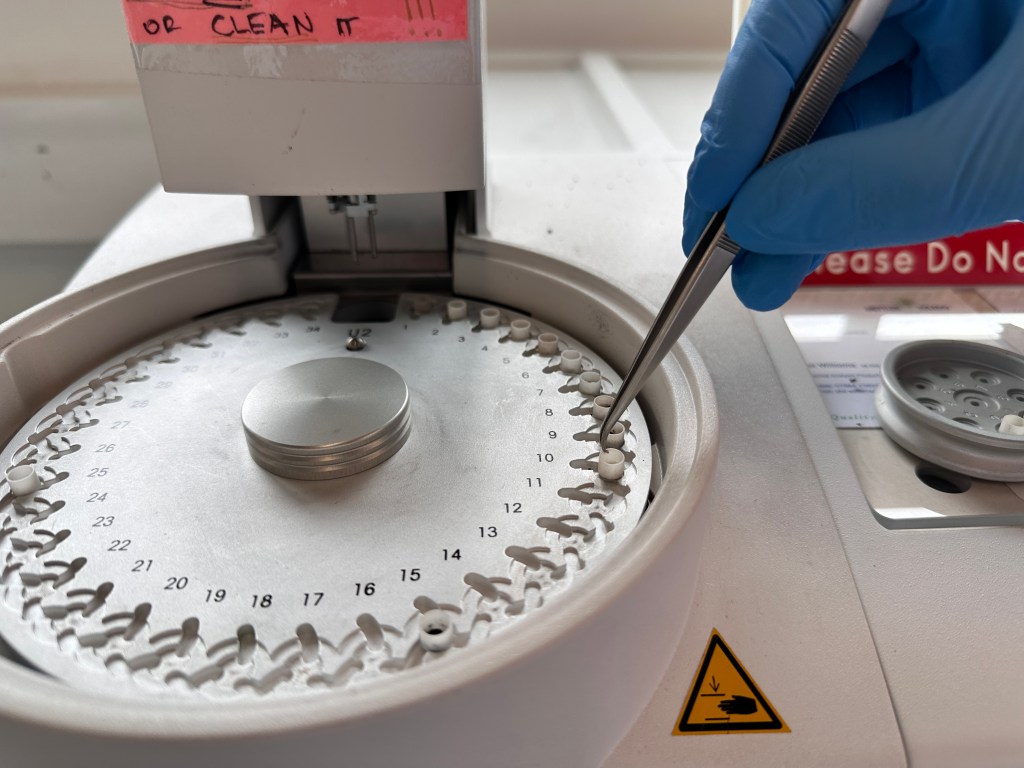
To gain a deeper understanding of the recycling process, the thermal properties of PET waste, intermediate products, and the recovered monomer (terephthalic acid) are being analyzed using thermogravimetric analysis (TGA) at EBRI. These findings are essential for optimizing recycling pathways and ensuring the quality of the recovered materials.
By broadening the scope of recycling methods and feedstocks, the CUPOLA project aims to develop truly sustainable solutions for marine plastic waste. Further updates on research progress will be shared as the project advances in collaboration with the international CUPOLA team.

 CUPOLA project
Leave a comment