


On 19 September 2025, the CUPOLA consortium held a dedicated project meeting during the
International Association for Carbon Capture (IACC) conference in Birmingham (IACC website).

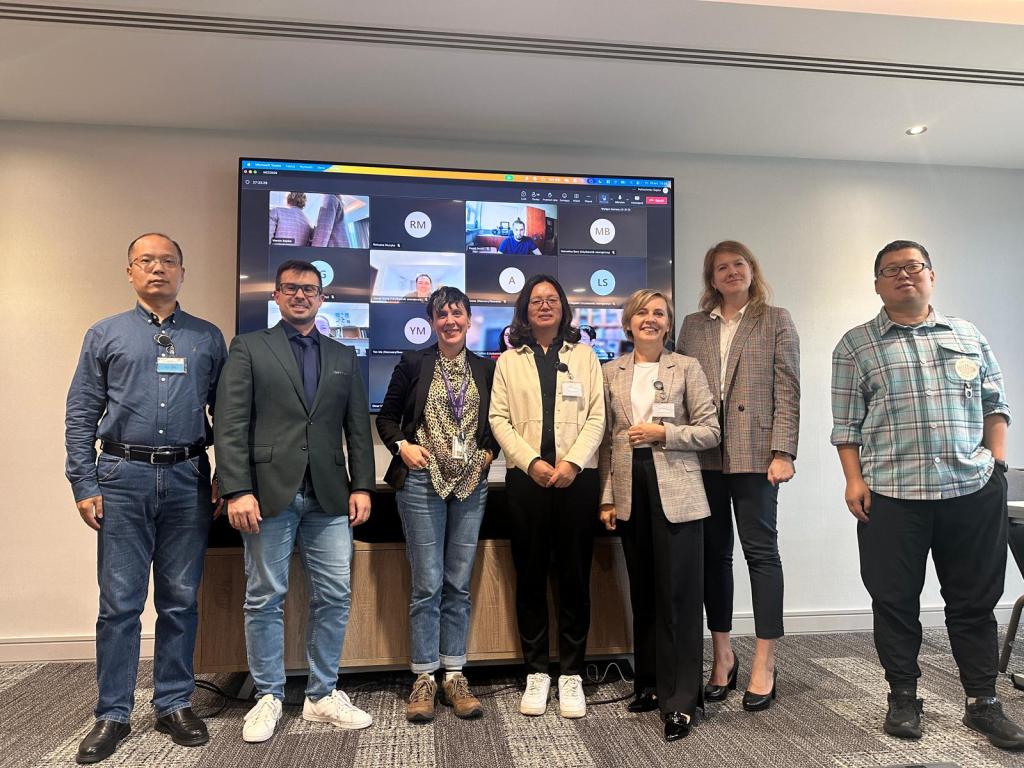
The meeting brought together project partners from Europe and Asia — some attending on site, others joining online — creating a valuable opportunity to exchange knowledge, discuss progress, and review the status of the individual Work Packages.
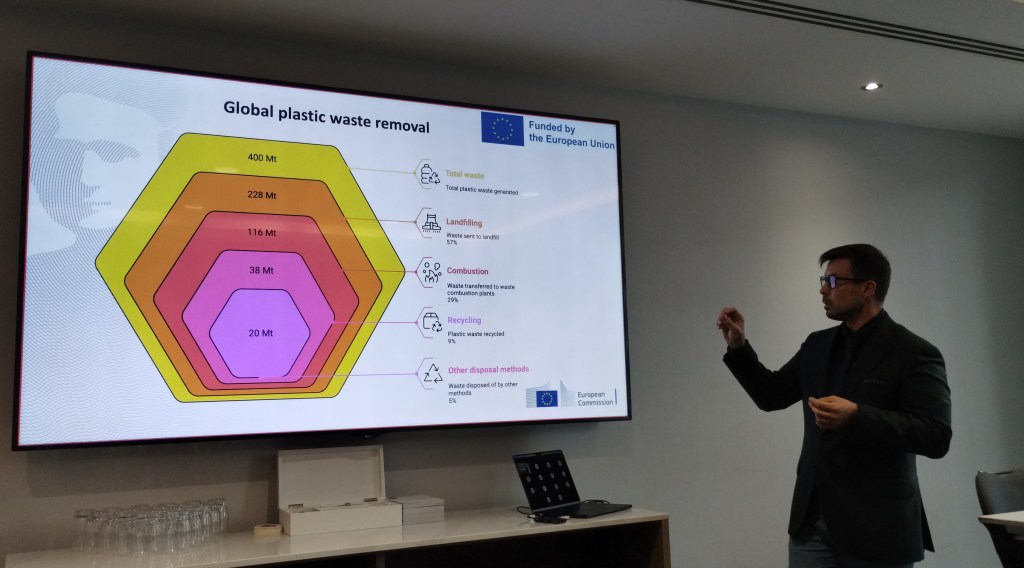
During the session, we explored key achievements and next steps in developing carbon-neutral pathways for sorting and recycling marine plastic waste into value-added materials. Presentations covered scientific results, methodological updates, and strategic planning for the coming months.
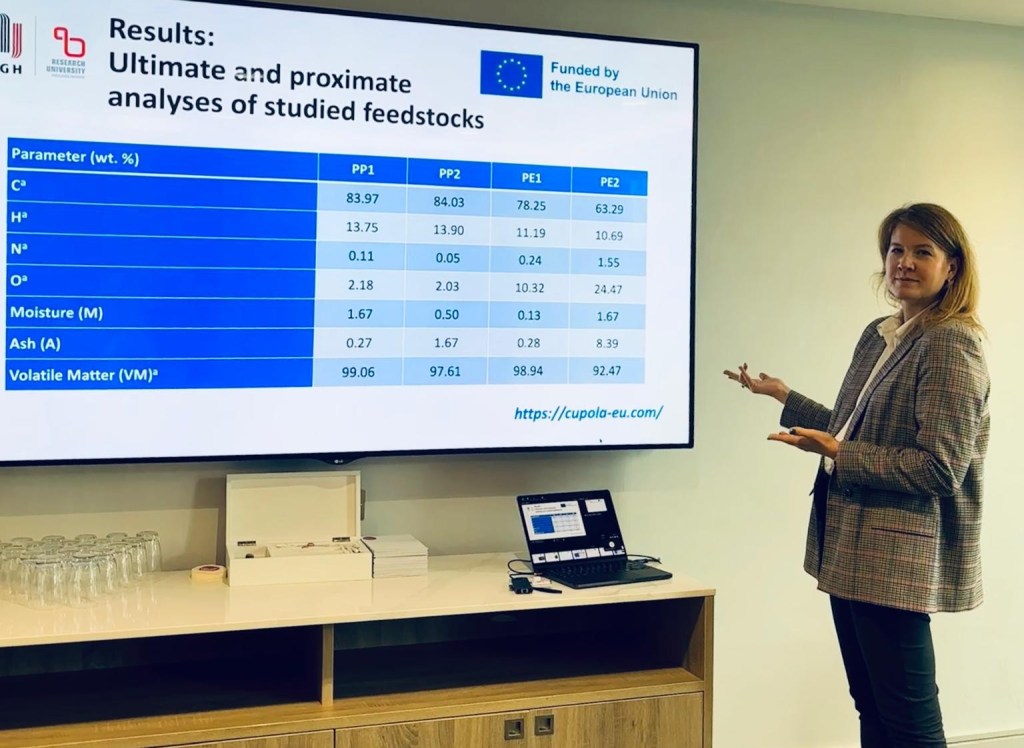
Speakers of the CUPOLA session included:
- Aneta Magdziarz, AGH University of Krakow (coordinator of the project) – CUPOLA Project: Key achievements, current progress, and strategic directions for the second period
- Marcin Sajdak, Silesian University of Technology – Marine plastic waste to resource: chemical recycling as a key to a low-carbon future,
- Agata Mlonka- Mędrala, AGH University of Krakow – From ocean plastics to carbon materials via pyrolysis according to circular economy,
- Jiawei Wang, Swansea University – High-value recycling of organic solid waste: A sustainable pathway to aromatic hydrocarbons,
- Yan Ma, Xi’an Jiaotong University – Separator catalytic reforming for H₂-rich syngas production using Li(NiCoMn)₁/₃O₂ pre-catalysts derived from spent lithium-ion batteries,
- Guocheng Wang, Huazhong University of Science and Technology – Exploring the potential of hydrothermal waxes derived from polyethylene: Product characterization and insights from solvent effects,
- Zheng Wang, University of Nottingham Ningbo – Mechanical recycling and upcycling of marine macro- and micro-plastics: technologies, challenges, and future directions,
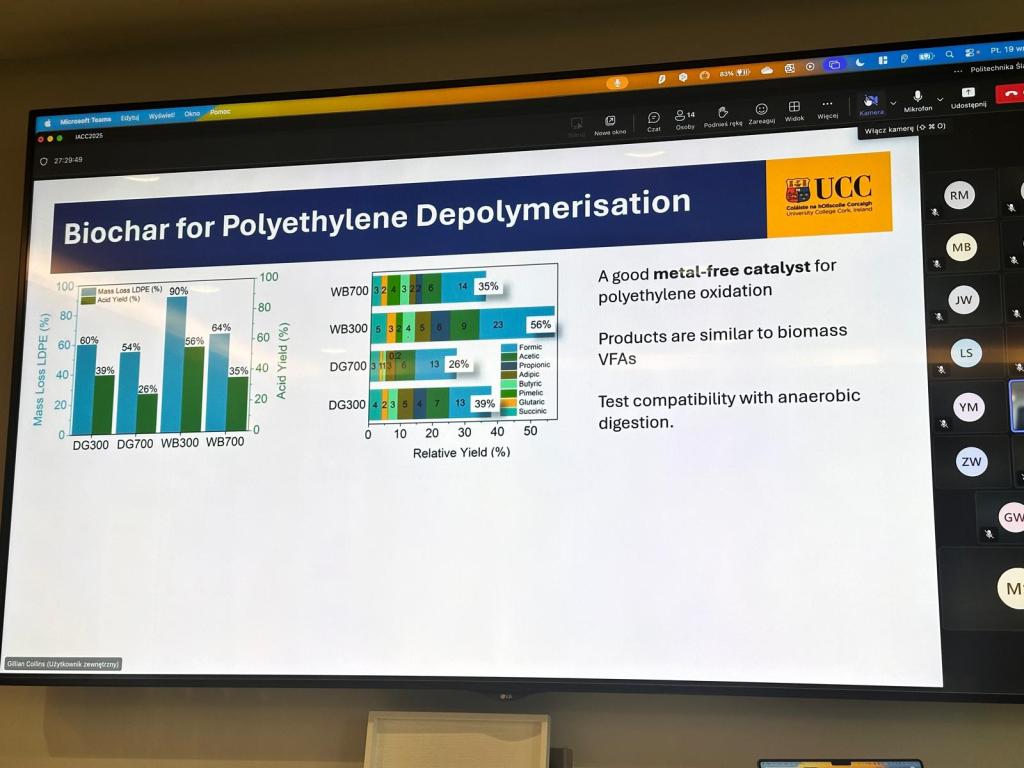
- Gillian Collins, Cork College University – Heterogeneous catalysts for depolymerisation.
The meeting confirmed the strong engagement of CUPOLA partners and highlighted the importance of joint work on sustainable solutions to the challenge of marine plastic pollution.
We thank all presenters and participants — both in Birmingham and online — for their excellent contributions and constructive discussions.
 CUPOLA project
Leave a comment